How to Prevent Mold Regrowth After Exterior Cleaning
A freshly cleaned home exterior looks great, but in Bundaberg the results don't always last. The region's subtropical climate, with warm temperatures, high humidity, summer storms and coastal air, creates near-perfect conditions for mold, mildew and algae. Cleaning removes the visible growth, yet microscopic spores remain in the air and on surfaces. Without a few preventive steps, those spores can re-establish themselves within months. This guide explains why mold returns and what you can do to keep your walls, roof, driveway, fences and outdoor areas clean for longer.
Why Mold Comes Back So Quickly in Bundaberg
Mold needs three things to thrive: moisture, organic material to feed on, and moderate to warm temperatures. Bundaberg provides plenty of all three for much of the year. Average humidity is high, the wet season brings heavy rain from roughly December to March, and morning dew can keep shaded surfaces damp well into the day.
Spores are present everywhere outdoors, so you can't eliminate them entirely. The goal is to make your property an unfriendly place for them to settle and grow. That means reducing moisture, removing food sources such as dirt, pollen and leaf litter, and applying protective treatments after cleaning.
Common Problem Areas
Certain parts of a property are more vulnerable than others. South-facing walls that receive little direct sun, areas beneath trees, spots near downpipes and garden beds, and surfaces close to irrigation sprinklers tend to stay damp and grow mold faster. Concrete paths, pavers, roof tiles, timber decks, painted render and fences are all susceptible.
Start With the Right Cleaning Method
Prevention begins during the cleaning itself. If mold is only partially removed, or if its roots remain in porous surfaces, regrowth is much faster.
- Use a mold-killing treatment, not just water pressure. High-pressure water alone removes surface growth but can leave living organisms behind and may damage render, paint, tiles and timber.
- Consider soft washing. Low-pressure washing combined with a suitable biocide treats mold at the root and is generally safer for roofs, painted surfaces and delicate cladding.
- Allow dwell time. Cleaning solutions need time to break down mold, algae and lichen before rinsing.
- Rinse thoroughly. Leftover residue can attract dirt and, in some cases, affect paint and sealants.
- Protect your garden. Wet down plants before and after cleaning, and follow product directions to avoid harming vegetation.
Professional exterior cleaners in Bundaberg understand local conditions and typically choose treatments that suit the specific surface, whether it's a Colorbond roof, concrete tile, rendered wall or timber deck.
Let Surfaces Dry Completely
After cleaning, allow surfaces to dry fully before applying any sealer or coating. Applying products over damp surfaces can trap moisture and encourage mold underneath the coating. In Bundaberg's humid weather, drying times can be longer than expected, so check the forecast and plan cleaning for a stretch of dry, sunny days. Late winter and spring are often ideal because lower humidity helps surfaces dry thoroughly and gives treatments time to bond before the wetter months return.
Apply Protective Sealers and Coatings
Sealing is one of the https://gregoryubmf902.wpsuo.com/can-pressure-washing-remove-lichen-from-outdoor-pavers most effective ways to slow regrowth because it reduces how much moisture a surface absorbs.
Concrete, Pavers and Brick
Penetrating sealers help repel water and make it harder for algae and mold to take hold. Choose a product designed for exterior use and suited to your surface type, whether it's a driveway, pool surround or patio. Some sealers also change the finish, so test a small area first.
Timber Decks and Fences
Unprotected timber absorbs moisture and quickly develops mold and mildew. After cleaning and drying, apply a quality exterior stain, oil or sealer containing a mildewcide. Reapply according to the manufacturer's directions, usually every one to three years depending on sun exposure and foot traffic.

Painted Walls and Render
When repainting, look for exterior paints that include mold and mildew resistance. These formulations are widely available and well suited to humid climates. If your walls are not due for repainting, a clear protective treatment may help in the short term, but check compatibility with your existing finish.
Roofs
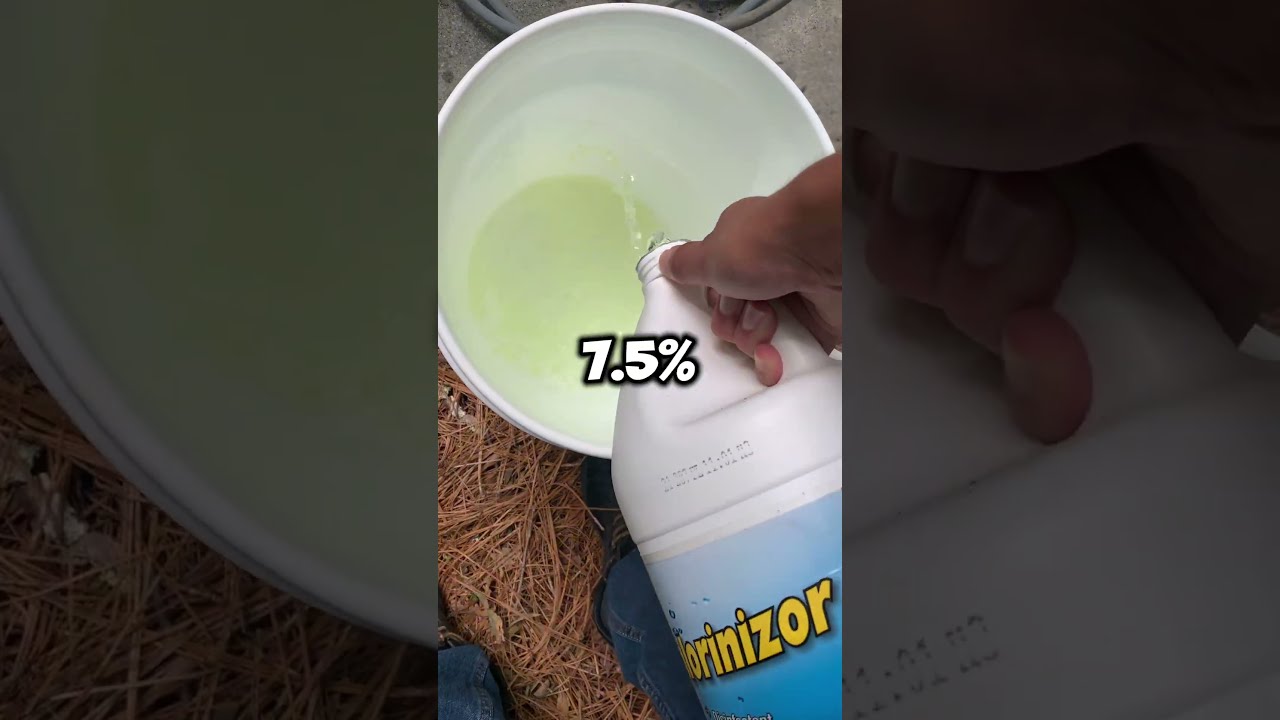
Roof tiles and metal roofing can be treated with a long-lasting anti-fungal or anti-algae solution after cleaning. This is best done by a professional with appropriate safety equipment, since working at height carries significant risk. Never attempt roof cleaning without proper fall protection.
Reduce Moisture Around Your Property
Controlling moisture is just as important as treating surfaces. Small changes to how water behaves around your home can noticeably extend the time between cleans.
- Clean gutters and downpipes regularly. Blocked gutters overflow and keep walls wet. Clear them before the wet season and again afterwards.
- Adjust sprinklers. Make sure irrigation doesn't spray walls, fences or paving. Overspray is a major cause of green and black staining.
- Trim vegetation. Cut back trees, shrubs and climbers so sunlight and airflow can reach walls, roofs and fences. Keep garden beds clear of cladding where possible.
- Fix leaks and drainage issues. Dripping taps, leaking pipes and poorly graded paths allow persistent dampness. Repair these promptly.
- Improve airflow. Avoid stacking items against exterior walls, and keep outdoor furniture and storage off paving so surfaces can dry.
Keep Up With Routine Maintenance
Light, regular upkeep prevents heavy buildup that requires intensive cleaning. A simple routine can make a big difference:
Sweep paths, patios and decks regularly to remove leaves, dirt and organic debris that feed mold. Rinse surfaces with a garden hose periodically, particularly after storms or in the humid months. Wipe down or brush shaded walls and fences when you notice early signs of discoloration. Inspect your property at the start and end of the wet season so you can catch trouble spots early.
Mild routine washing with a suitable outdoor cleaner can also help, but avoid mixing chemicals or using strong products without checking they're appropriate for the surface. Always follow label instructions and wear protective equipment.
Consider Maintenance Treatments
Many exterior cleaning providers now offer periodic maintenance treatments. These are lighter applications of a mold-inhibiting solution applied every six to twelve months, often without the need for a full wash. In a humid region like Bundaberg, this approach can cost less over time than waiting until surfaces are heavily stained. Ask your cleaner about a schedule that suits your home's orientation, tree cover and surface types.
Be Mindful of Environmental Rules and Safety
Runoff from cleaning products can reach stormwater drains, gardens and local waterways. Choose products that are suitable for exterior use, avoid washing chemicals into drains, and follow local guidance on stormwater protection. Many reputable cleaners use biodegradable or lower-impact products and manage wastewater responsibly. If you clean your home yourself, read product safety data and protect pets, plants and pool water.

Anyone with respiratory conditions, allergies or asthma should take extra care around mold-affected areas and during cleaning. Wear gloves, eye protection and a suitable mask, and consider hiring a professional if the growth is extensive.
Know When to Call a Professional
Persistent regrowth, widespread black staining, mold on roofs, or growth on delicate surfaces often calls for professional help. Experienced local cleaners can identify the type of growth, choose the right treatment and apply protective products correctly. If mold keeps returning quickly despite cleaning, it may indicate an underlying moisture problem such as poor drainage, a leak or inadequate ventilation, and addressing that cause is essential.
Final Thoughts
Preventing mold regrowth after exterior cleaning in Bundaberg comes down to a combination of thorough cleaning, proper drying, protective sealing, moisture control and regular maintenance. By tackling the conditions that allow mold to flourish, rather than only removing what's visible, you can keep your home looking fresh through the humid summers and well into 2027 and beyond. If you're unsure where to start, a local exterior cleaning specialist can assess your property and recommend a tailored plan.
Bundaberg Pressure Cleaning
(07) 4158 8067